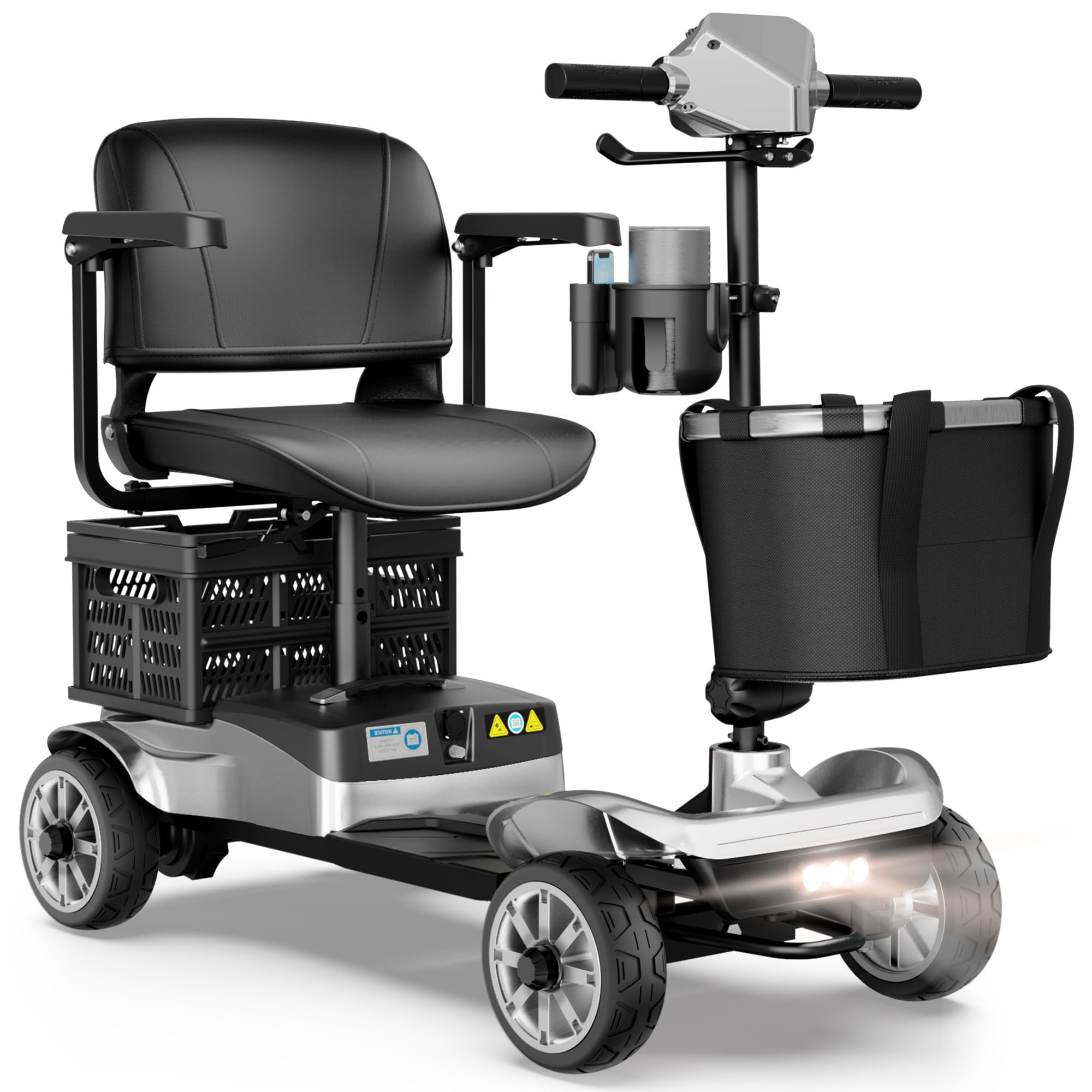
Before I began using a mobility scooter, my days were quietly shaped by limitation. I didn’t always recognize it at the time, but my world had slowly become smaller without me fully noticing. Simple activities like popping to the shops, meeting a friend, or enjoying a walk outdoors required careful planning and often came with a sense of anxiety. Everything revolved around how far I could manage and how much energy I had left. I became used to weighing every decision against the risk of pain or exhaustion later. Using mobility scooters has changed that in ways I never expected.
My day usually begins with a feeling of reassurance. Knowing I can get out independently sets the tone for everything that follows. After breakfast, I’ll check the battery and make sure the scooter is ready to go. It’s a small routine, but it gives me confidence and a sense of control. Instead of wondering whether my body will cope with the day ahead, I can focus on what I want to do, not what I’m physically able to manage. That shift alone has made my mornings feel lighter and more hopeful.
Late morning is when I usually head out. This might be a trip to the local shops, the post office, or simply a ride around the neighborhood to see what’s happening. Before using a scooter, I rushed everywhere, worried about standing too long or needing to sit down unexpectedly. I often avoided browsing because I didn’t want to risk overdoing it. Now, I can take my time. I can wander through aisles, stop when I want to, and enjoy being out without constantly monitoring my limits. It’s surprising how much more connected I feel to my community now that I’m not preoccupied with discomfort or fatigue.
One of the biggest changes has been mental rather than physical. Mobility challenges take up a huge amount of emotional energy. There’s the constant calculation – how far is it, will there be somewhere to rest, will I regret going out later? Using a scooter quiets those thoughts. It’s like turning down the volume on a background noise I didn’t realize was so loud. I feel calmer, more present, and more willing to engage with the world around me. I’m no longer bracing myself for the consequences of simply leaving the house.
Being able to spend time outdoors again has been incredibly uplifting. I’d forgotten how much I missed simple things like fresh air, familiar paths, and people‑watching. I can sit by the lake or roll along the park’s pathways without worrying about how far I’ve gone or whether I’ll manage the return journey. Instead of focusing on the journey home, I can enjoy the moment I’m in. That sense of presence has been one of the most unexpected gifts.
Back at home, I keep my scooter somewhere accessible. I no longer feel the need to hide it away or pretend I don’t rely on it. That shift in mindset took time, but I now see it as a practical aid rather than something to feel self‑conscious about. It’s no different from wearing glasses or using a walking stick – it supports my independence. In fact, I’ve grown oddly fond of it. It represents freedom, not limitation.
Evenings are noticeably different since I started using a mobility scooter. Because I’m not physically overexerting myself all day, I still have energy left. I can cook, relax, read, or enjoy television without feeling completely exhausted. I no longer collapse into the evening with nothing left to give. That balance has improved my quality of life far more than I expected. I feel like I have my evenings back, rather than losing them to recovery.
Security:
I know that in todays world there are people that will take advantage of you and try to take what is yours.
Our laws today encourager's this type of activity, To protect my self I have invested in a body camera that is always on when I am on my MS and sends the live feed to a cloud server for access if needed. .I have also purchase CS Police grade Mace pocket size to use if needed. I also have a verry good cell phone with a build in stun feature it's shocking to watch. :) As a last resort my CCW will take care of the rest.
Item specifics
Condition: New: A brand-new, unused, unopened, undamaged item in its original packaging.
Seat: 360° Swivel Seat
Power Source: Electric, Electric/Battery
Top Speed: 4.5 mph
Suitable For: All Terrains, Indoor, Indoor/Smooth Surfaces, Outdoor, Road
Battery Life: 10 Hours
Manufacturer Warranty: 1 Year
Labels & Certifications: CE Marking
Battery: 24V 12Ah Lead-Acid Battery
Maximum Load Capacity: 350 lb
Age Group: Adult, Child, Senior, Teen
Features: Flat proof Tires, Foldable, Heavy Duty, LED Headlight, Rear Caster/Anti-Tipper, Removable Battery, Swivel Seat, Electromagnetic Brake, Anti-Tip Wheels, Manual / Electric Mode, Adjustable Height, Adjustable Seat, USB Port, Flip-Up Armrests, Easy Disassembly, Easy Side Access, Front & Rear Storage Baskets
Seat Width: 18.7" – 28.7" Adjustable
Transport Design: 4-Piece Easy Disassembly
Color: Silver
Tire Type: 8" Solid Rubber Tires
Charging Method: On-Scooter or Off-Scooter Charging
Brand: BIQISSI : Major Manufacture
Type: 4-Wheeled Scooter
Travel Range: Up to 15 Miles
Storage: Front Basket, Rear Basket, Cup Holder
Brake System: Electromagnetic Brake
Battery Weight: Approx. 20 lbs
Number of Wheels: 4
Power: 350 W
Item Weight: 89 lb.
Category: breadcrumb
Health & Beauty: Medical & Mobility
Mobility/Walking Equipment
Mobility Scooters
The legal requirement under Title III of the Americans with Disabilities Act (ADA), which governs public accommodations. The specific Department of Justice regulations that address these devices are found in 28 CFR § 36.311 (Wheelchairs and Other Power-Driven Mobility Devices).Under these ADA regulations, businesses must allow individuals with mobility disabilities to use wheelchairs and manually-powered mobility aids (like walkers and canes) in any areas open to the public.
In California, mobility scooters are legally classified as motorized scooters under Vehicle Code § 407.5, which defines them as two-wheeled devices with handlebars and an electric motor. While state law permits their use on sidewalks, bike paths, and roads with speed limits of 25 mph or less, local jurisdictions like Perris may enforce specific municipal ordinances regarding sidewalk usage and speed restrictions.
Key state regulations for operating these devices include:
Speed Limit: Maximum speed must not exceed 15 mph on level ground.
Documentation: Operators may be required to hold a valid driver’s license or learner’s permit.
Registration: These devices do not require Insurance or DMV registration or license plates.